System Architecture & Load Planning

Demystifying direct-to-consumer portable energy setups.

Modular battery ecosystems, solar matching limits, and appliance runtimes evaluated through transparent electrical formulas rather than marketing promises.

Representative Seller HardwareListing Context
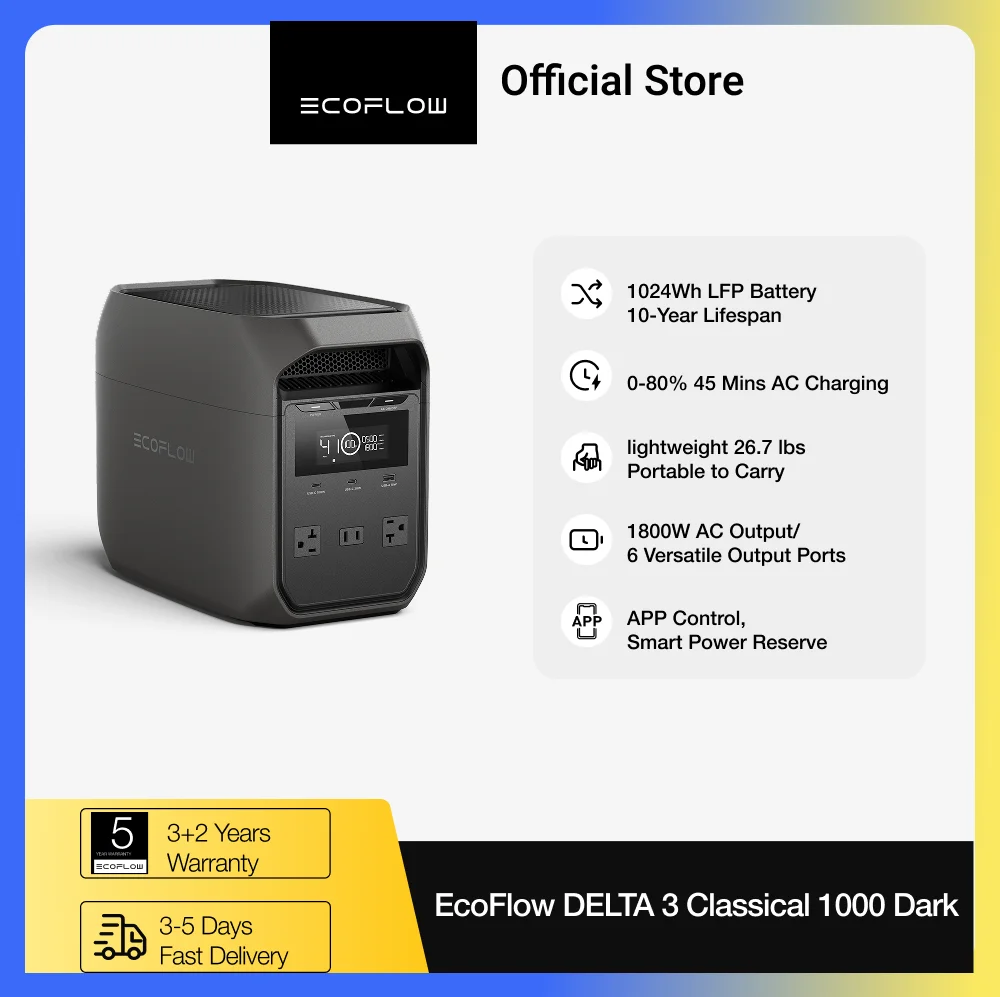
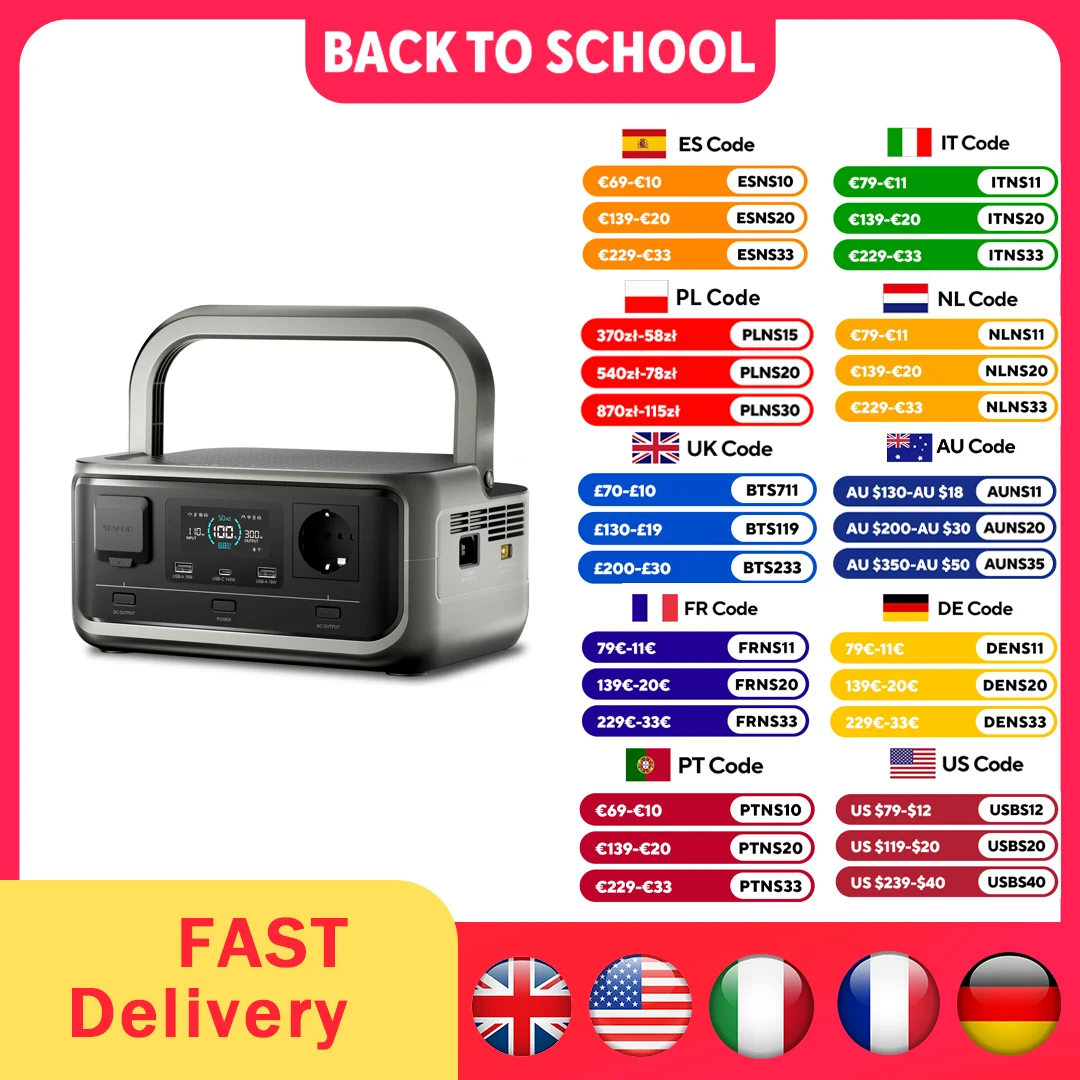
ECOFLOW Solar Generator DELTA 3 Classical Dark 1000, 1024Wh LiFePO4 Battery Portable Power Station, 1800W AC/100W USB- ALLPOWERS VOLIX P300 Portable Power Station 256Wh LiFePO4 Battery 300W (Peak 600W) AC Output for Outdoor Camping Travel Home Use

Images depict representative catalog units. Stated capacities and peak outputs reflect seller marketing specifications.

Three Operational Load Profiles

Select your deployment constraints before evaluating inverter capacities.

01

Remote Mobile Work

Continuous DC laptop charging, drone battery cycles, and low-draw field comms equipment.

  • Check bidirectional 100W+ USB-C Power Delivery ports to avoid AC inverter idle drain.
  • Verify unit weight under 15 lbs for genuine backpack or flight-case mobility.
  • Inspect low-wattage pass-through charging support from compact vehicle sockets.
02

Overland & Field Base

Sustained refrigeration, 12V lighting grids, water pumps, and multi-day solar harvesting.

  • Match solar controller input voltage windows against folding panel open-circuit volts.
  • Prioritize LiFePO4 chemistry for elevated cycle life in varied thermal environments.
  • Examine regulated 12V/10A DC output ports to avoid 12V fridge low-voltage cutoffs.
03

Emergency Blackout Backup

High-draw home refrigeration, medical CPAP equipment, router backup, and essential lighting.

  • Calculate compressor startup surge wattages against pure sine wave peak ratings.
  • Evaluate proprietary expansion battery connector availability and costs.
  • Check sub-30ms UPS transfer switch times for sensitive desktop electronics.

Latest Equipment Analyses

System dossiers breaking down manufacturer ratings and modular expansion viability.

Calculation Rule

Estimating Real Runtime: Inverter Efficiency Loss

Never divide appliance wattage directly into battery rated watt-hours. Inverter conversion loss and DC parasitic draw typically consume 15% to 20% of nominal capacity.

Editorial rule: Runtime claims on this publication account for conversion loss. Direct vendor claims may assume 100% theoretical discharge without inverter overhead.